Focused arrival windows
Useful updates and clear arrival timing.
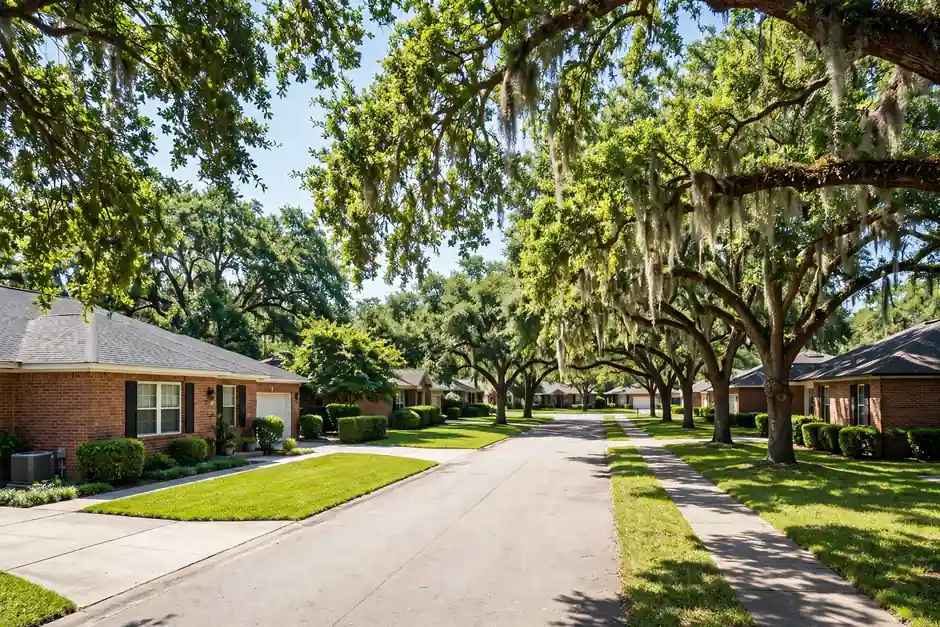
Water damage restoration Willow Meadows Houston is the southwest slab-ranch job, one build era later than its neighbours. This is Super Neighborhood 38, Willow Meadows / Willowbend Area — 1960s–70s subdivisions of Willow Meadows and Willowbend on slab foundations, on Brays Bayou tributary drainage.
Useful updates and clear arrival timing.
Review the approach and scope before deciding.
Equipped vehicles and respectful cleanup.
Neighbors serving neighbors with follow-through.
Willow Meadows (SN 38, Willow Meadows / Willowbend Area) is a southwest Houston Super Neighborhood of 1960s–70s subdivisions — Willow Meadows and Willowbend — on slab foundations, on Brays Bayou tributary drainage. Mature trees, clay settlement and ageing cast-iron drains shape the work: the standard southwest slab-ranch profile, with a slightly later build era than Meyerland and Sharpstown. The tributary assignment — Keegans Bayou versus Brays Bayou proper — is checked per street before a waterway is named for a specific address, and no neighborhood flood count is published for Willow Meadows. Across Harris County, Harvey flooded 154,170 homes, and 68% stood outside the mapped 100-year floodplain. Check your address on the HCFCD Flood Education Mapping Tool at harriscountyfemt.org.
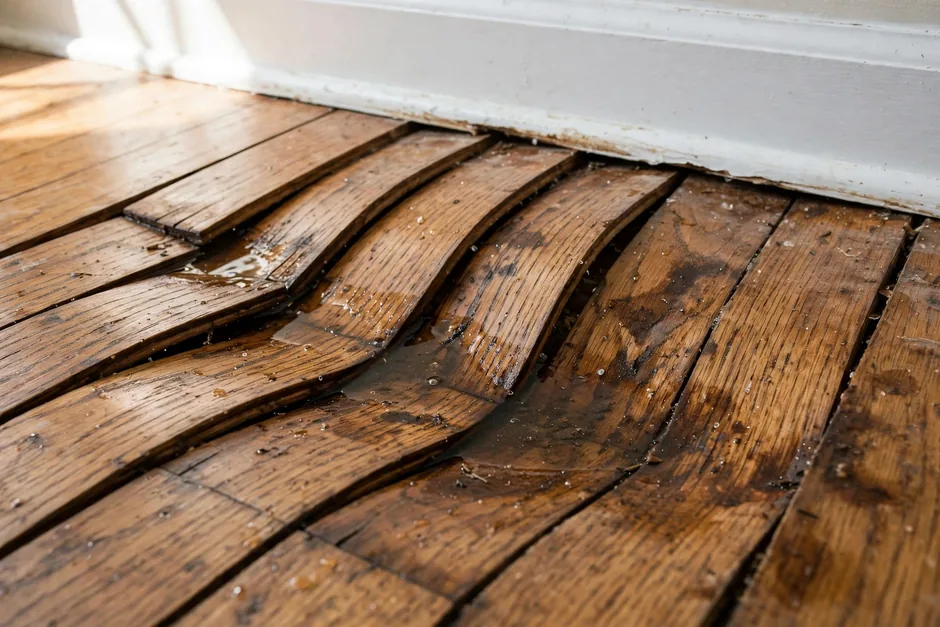
Willow Meadows work is slab-ranch work: ageing lines and drains on clay, mature-tree roots, and the mold and sewage that follow.
Full-scope water damage restoration Willow Meadows Houston starts with a moisture inspection of the slab, walls and drains, then extraction, drying and documented readings.
View service →021960s–70s slab homes hide leaks under flooring, and clay settlement opens joints where water enters. We locate the wet area with meters, dry the structure, and work with the plumber who repairs the line.
View service →03A burst line or a backed-up drain floods a single-storey home fast. We extract standing water and start drying the slab and the rooms.
View service →04Damp slabs and wall cavities in 1960s–70s homes grow mold where air does not move. In Texas, mold remediation of 25 contiguous square feet or more requires a TDLR-licensed remediator, and the company that assesses the mold cannot remediate the same job. IICRC S500/S520 are industry standards, not law. Assessment is done by a separate licensed assessor.
View service →05Ageing cast-iron drains and mature-tree roots back sewage into bathrooms and laundry rooms. Sewer-line repair is plumbing work; we handle the cleanup and drying.
View service →06A home on clay holds moisture in the slab, walls and framing long after the water is gone. Drying equipment and recorded readings bring the structure back to dry.
View service →Willow Meadows jobs work around mature trees, clay settlement and 1960s–70s drains. Slab leaks are traced with meters, cast-iron drains are checked, and readings are recorded as drying progresses.
Expansive clay swells and shrinks with moisture, the slab moves, and the lines beneath it fail. We trace the wet run with meters before any flooring is opened.
Mature trees press roots on cast-iron drains reaching end of life. Drain failures back sewage into bathrooms and laundry rooms.
Brays Bayou tributaries drain the area, and the tributary serving a given street decides where water ponds. Ground-level rooms are checked after any storm.
Before work starts, you receive a written scope of what will be extracted, dried, removed and documented, so you can decide with the full picture in front of you.
Moisture readings are recorded as drying progresses, and the record is available for your insurance claim.
Willow Meadows' problems come from 1960s–70s slab stock on clay: ageing lines, cast-iron drains, mature-tree roots and tributary drainage.
Ageing lines under 1960s–70s slabs fail and travel under flooring before they surface. Water can run for weeks before anyone sees it.
Original cast-iron drains corrode and belly, backing sewage into bathrooms and laundry rooms. The line repair is plumbing work; the cleanup is ours.
Mature trees draw moisture unevenly from the clay, settling the slab and opening joints where water enters.
Brays Bayou tributary drainage ponds around ground-level rooms in heavy rain. The tributary serving the street decides the pattern.
Willow Meadows navigation runs on the bayou tributaries and the southwest freeway corridors. Crews use these references to reach 1960s–70s subdivisions across the district.
Brays Bayou's tributaries drain Willow Meadows, and the tributary serving a given street decides the flood pattern.
Keegans Bayou is one of the tributaries draining the southwest, and whether a street sits on it or on Brays Bayou proper is checked per address.
Willowbend Boulevard runs through the Willowbend subdivision and is the reference for calls on the western side of the district.
Fondren Road runs along the district's eastern side and is the route crews use between Willow Meadows and the Brays Oaks corridor.
West Bellfort Avenue forms part of the district's southern edge and is the reference for calls on the south side of Willow Meadows.
We serve Willow Meadows and Willowbend across Super Neighborhood 38, Willow Meadows / Willowbend Area, from the Brays Bayou tributary streets to the district's southern edge.
The Willow Meadows subdivision at the heart of the district — 1960s–70s homes on slab, on Brays Bayou tributary drainage.
The Willowbend subdivision on the western side of the district, with the same 1960s–70s slab profile.
Streets drained by Brays Bayou tributaries, where the tributary serving the street decides where water ponds.
Blocks toward West Bellfort Avenue on the southern edge of the district, with the same slab-ranch profile.
The situations below describe the kinds of jobs that come up in Willow Meadows — the house, the water source and the work involved. Details vary from home to home, and every job starts with an inspection.
An ageing line fails under a 1960s slab and lifts the flooring. Meters locate the wet run, the floor is dried, and a plumber repairs the line.
An original cast-iron drain bellies and backs sewage into a bathroom. Contaminated water is extracted, affected materials are removed, and the area is dried. A plumber repairs the drain.
Heavy rain ponds around a ground-level room on a tributary street. Extraction comes first, then drying of the slab and lower walls.
Dealing with water damage is stressful, but Restoration Enterprise made the whole situation manageable. They were calm, knowledgeable, and reassuring from start to finish. I could finally breathe knowing my home was in good hands.
Exceptional Service Beyond Expectations! I am delighted to write this review for the highly professional and efficient water restoration company that turned our disaster into a blessing. When we discovered a serious plumbing issue in our kitchen, we were overwhelmed with anxiety and worry. However, the moment we reached out to them, they swiftly stepped in, assuaging our fears and promptly handling the situation. The thing that struck me the most about this company was their extraordinary customer service. They were not just professional, but also empathetic, understanding the stress we were under. They were quick to respond, arriving at our home within an hour of our call, fully equipped to deal with the situation. The cleanup process was swift and unobtrusive, causing minimal disruption to our daily routine. They even liaised with our insurance company, alleviating us from the added stress of handling paperwork. It's not often that you encounter a company so dedicated to their work and to the satisfaction of their clients. They turned an unfortunate event into a surprisingly positive experience. We are beyond pleased with the results and are grateful to have our kitchen back, in even better shape than before! If you are ever unfortunate enough to encounter a water disaster in your home, I wholeheartedly recommend this water restoration company. Their professionalism, efficiency, and dedication to customer satisfaction are second to none.
Restoration Enterprise holds a 4.7-star rating from 152 Google reviews. The two reviews shown here are published in full; the remaining reviews are reflected in that overall rating.
Willow Meadows seasons turn on clay and the tributaries: spring storms on roofs, summer roots drawing clay moisture, fall rain on tributary streets and winter freezes in exposed lines.
Spring brings heavy thunderstorms and hail to Willow Meadows. Roofs, window seals and the Brays Bayou tributaries take the first hit, and water finds its way into attics and wall cavities.
Summer heat and humidity raise the stakes after any leak in Willow Meadows. Air conditioning runs constantly, condensate lines work hard, and hurricane season keeps the Brays Bayou tributaries in mind.
Fall rain tests gutters, flashing and the drainage around Willow Meadows homes. Leaves clog gutters, water backs up under shingles, and a 1960s–70s slab stays damp longer.
Winter freezes are the quiet risk in Willow Meadows. Supply lines in unconditioned attics and exterior walls are the ones that split, and a 1960s–70s slab hides the first signs.
Willow Meadows sits beside Meyerland, Sharpstown, Gulfton and the Museum District. Each of those areas has its own page with its own housing and water story.
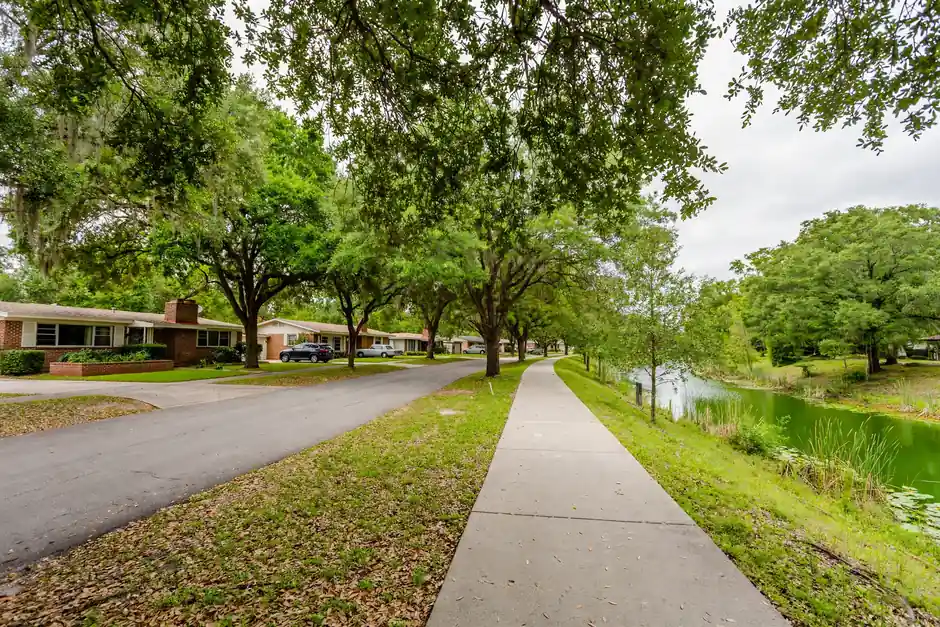
Meyerland's mid-century slab ranches sit on Brays Bayou northeast of Willow Meadows, with the city's most thoroughly documented repeat-flood record.
Local coverage and details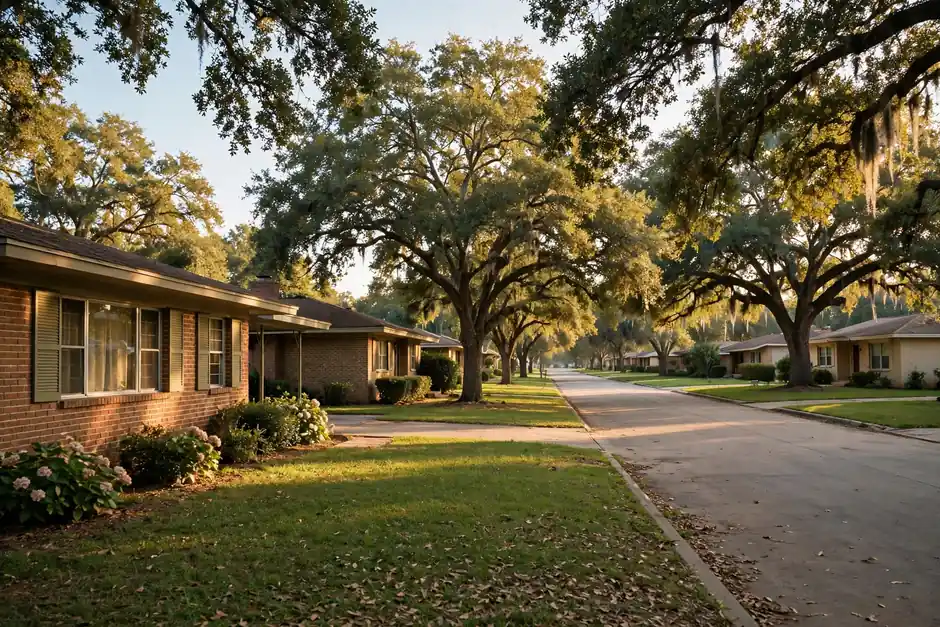
Sharpstown's 1950s–60s slab ranches sit northeast of Willow Meadows, with seventy-year-old slabs on Houston clay.
Local coverage and details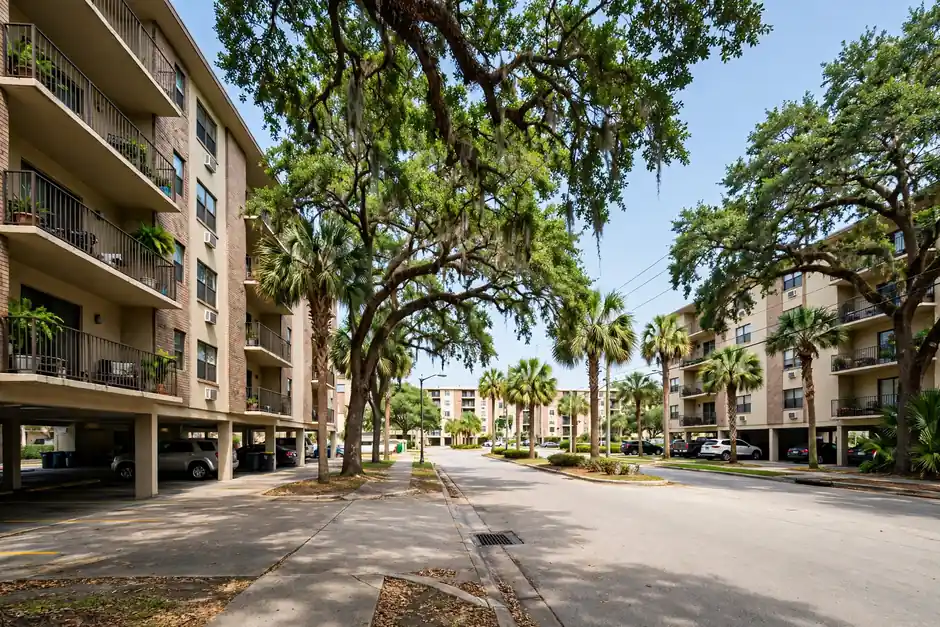
Gulfton's garden apartments and townhomes sit northeast of Willow Meadows, with multi-unit slab leaks — and our office is there.
Local coverage and details
The Museum District's townhomes, condos and renovated older homes sit northeast of Willow Meadows toward Hermann Park.
Local coverage and detailsWillow Meadows homes hide water under 1960s–70s slabs. These questions help you check that a contractor traces the leak before opening anything.
Ask for photos, moisture readings and a written scope — and whether the company will share them with your adjuster. A claim is easier to support when the drying record is complete and in writing.
1960s–70s slab subdivisions need slab-leak finding and cast-iron drain checks on clay. Ask whether the crew checks the drains as well as the slab.
Sewer-line repair is plumbing work, not restoration. Contaminated water needs professional cleanup and removal of affected materials — ask how the crew separates that work from clean-water drying.
Ask how moisture is tracked through the job. Readings should be recorded as drying progresses and shared with you, rather than described from memory.
If it is safe to do so, shut off the water at its source, move valuables out of the water and avoid walking through standing water. Then call — the crew will talk through the rest.
Our Gulfton office is open 24 hours, every day of the week, including holidays.
Restoration Enterprise is a veteran-owned Houston business.
The office at 5250 Gulfton St Suite 3A has a wheelchair accessible entrance, parking lot and restroom.
Work starts from a written scope you have seen first — what will be extracted, dried, removed and documented.
Readings are recorded as drying progresses and are available for your insurance claim.
Our crews work the Houston neighborhoods listed on this site, and the housing and drainage patterns that come with them.
Call (346) 980-0009 — phone is how you reach us, around the clock.
In Texas, mold remediation of 25 contiguous square feet or more requires a TDLR-licensed remediator, and the company that assesses the mold cannot remediate the same job. IICRC S500/S520 are industry standards, not law.
Check your address on the HCFCD Flood Education Mapping Tool at harriscountyfemt.org — it shows mapped floodplains for your parcel. We never state a flood-zone status for a property ourselves; the mapping tool and the City of Houston Floodplain Management Office are the sources to check.
Willow Meadows drains through Brays Bayou tributaries, and whether a given street sits on Keegans Bayou or Brays Bayou proper is checked per address before a waterway is named for it. The drainage around the home is recorded on the first inspection.
No neighborhood flood count is published for Willow Meadows. The flood pattern is tributary ponding around ground-level rooms in heavy rain. Check your address on the HCFCD Flood Education Mapping Tool at harriscountyfemt.org rather than relying on the neighborhood label.
Yes — mold remediation is one of our services. In Texas, mold remediation of 25 contiguous square feet or more requires a TDLR-licensed remediator, and the company that assesses the mold cannot remediate the same job. IICRC S500/S520 are industry standards, not law. Assessment is done by a separate licensed assessor, not by the company that remediates the same job.
Call (346) 980-0009. Tell us what happened and where the water is, and we will talk through the next steps and a written scope before work starts. Our office is open 24 hours, every day.
Not seeing your question? Our local team can help you understand urgency, scheduling and what to expect.
Ask the local teamCall (346) 980-0009 and tell us which subdivision you are in and where the water is. We will talk through the next steps and a written scope before work starts.